
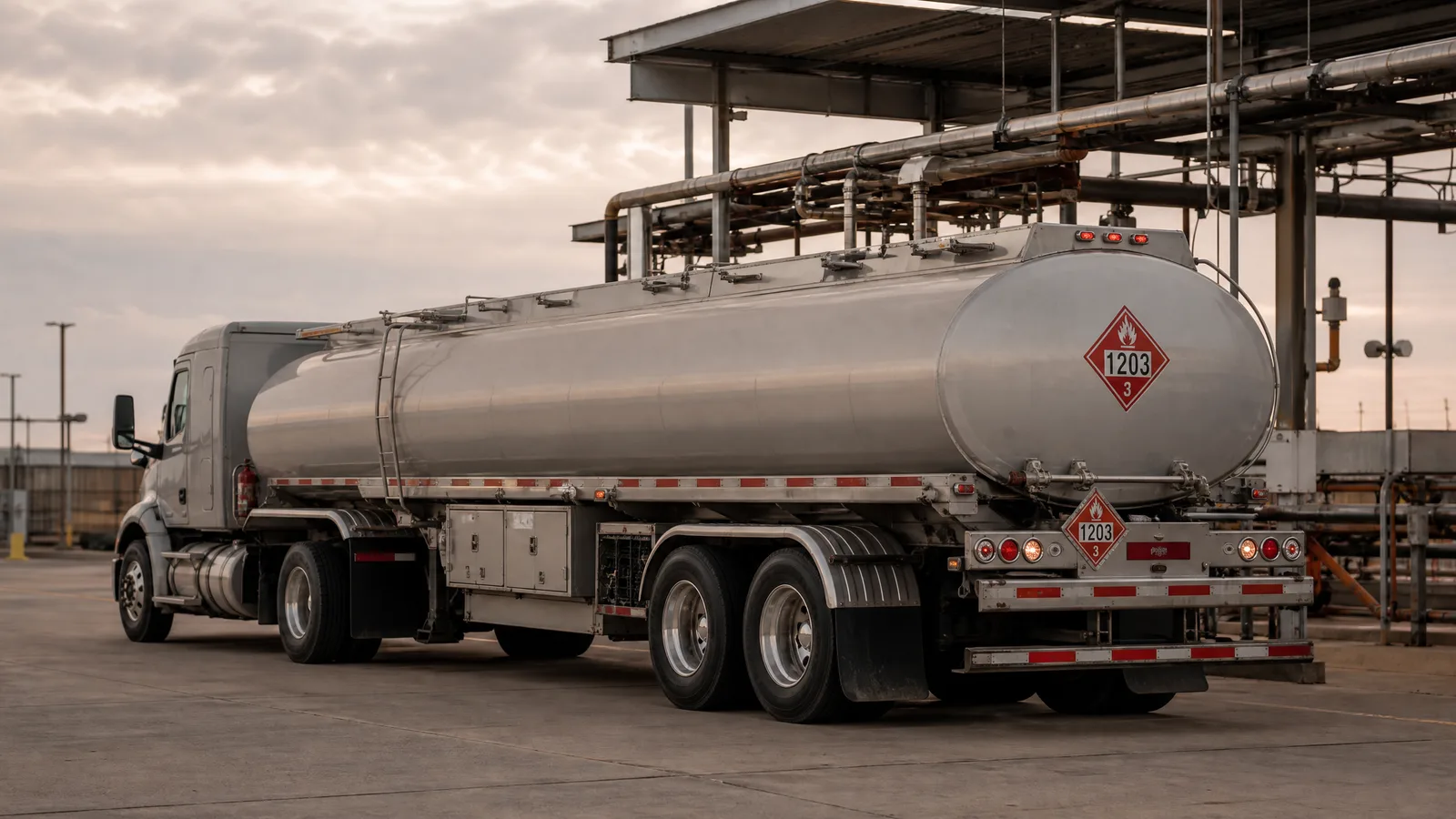
Hazmat Trucking Insurance: What You Need
Hazmat trucking insurance is the highest-premium segment of commercial trucking. The reasons are structural: hazmat incidents have catastrophic potential, the federal liability minimums run from $1 million to $5 million against $750,000 for general freight, environmental cleanup costs can run into millions of dollars, and the regulatory compliance burden is heavy. Carriers that write hazmat have specialized underwriting and a smaller pool of acceptable risks. Operators that haul hazmat need agents who understand the federal requirements, the carrier market, and the contract demands of major shippers.
FMCSA Hazmat Insurance Minimums
Federal liability minimums for hazmat operators are set by the cargo classification (49 CFR 387.9):
| Cargo Type | FMCSA Minimum Liability |
|---|---|
| General freight (non-hazmat) over 10,001 lbs GVWR | $750,000 |
| Oil transport (non-hazmat) | $1,000,000 |
| Other hazardous materials (most flammable liquids, non-bulk hazmat) | $1,000,000 |
| Highest-risk hazmat: explosives (Division 1.1-1.3), poison gases, bulk Division 2.1/2.2 gases, large bulk hazardous substances, highway-route-controlled radioactive | $5,000,000 |
These are minimums. In practice, most major shippers, brokers, and contract operators require limits well above the federal floor. Petrochemical and chemical contracts often require $5 million to $10 million in primary or umbrella coverage regardless of the technical FMCSA classification.
Hazmat Endorsement and Driver Requirements
Drivers hauling hazardous materials in placarded quantities must have a hazmat (H) endorsement on their CDL. Requirements:
- Class A or Class B CDL
- Pass a hazmat-specific written test
- Pass a TSA security threat assessment (background check)
- Periodic renewal (typically every 5 years)
Insurers typically require driver hazmat endorsement records before binding coverage. Driver MVRs are weighted heavily in hazmat rating. A single major violation can disqualify a driver from hazmat work and significantly affect the carrier\'s premium.
Coverage Types for Hazmat Operators
- Commercial auto liability. FMCSA minimums apply (see above). Most operators carry well above the minimum because shipper and broker contracts demand it.
- MCS-90 endorsement. Required as proof of financial responsibility on the policy.
- Cargo insurance. Hazmat cargo limits typically $250,000 to $500,000 or higher, depending on commodity value. Specific endorsements often required for hazardous materials.
- Pollution liability. Covers environmental cleanup and third-party pollution claims. Standard auto liability typically excludes pollution losses. This is essential for hazmat.
- Motor carrier pollution coverage. Combines auto liability and pollution liability into a single policy with consistent triggers and conditions.
- Physical damage on tractor and trailer. Hazmat tractors and tankers are expensive equipment with specialized fittings. Physical damage coverage matters. Hauling liquid loads specifically? See the tanker truck insurance breakdown.
- General liability. Standard for site operations and any non-driving business risk.
- Workers compensation. Optional in Texas, but typically required by major hazmat shippers.
- Umbrella / excess liability. Common for hazmat operators to stack additional limits on top of primary auto liability. $5 million to $25 million umbrella is typical depending on contracts.
How Much Does Hazmat Trucking Insurance Cost?
Hazmat premiums vary widely by commodity, fleet size, and operating profile, and the federal minimums themselves are higher under 49 CFR 387.9. Ordered from lowest to highest typical premium, holding driver record, operating radius, and coverage limits constant:
- Mid fleet (11 to 25 trucks), petrochemical
- Small fleet (3 to 10 trucks), petrochemical
- Single owner-operator, fuel hauling (gasoline, diesel)
- Single owner-operator, chemical hauling (acids, solvents, etc.)
- Single owner-operator, specialty hazmat (radioactive, poisonous gases, certain chemicals)
- Pollution liability (separate or combined): a meaningful per-truck cost on top of the auto liability premium; commodity and limits drive it
Hazmat Insurance in Texas
Texas is one of the largest hazmat trucking markets in the country. The Houston Ship Channel petrochemical complex, the Permian Basin and Eagle Ford oilfields, and major fuel distribution networks all generate significant hazmat freight. Texas-specific considerations:
- Houston petrochemical concentration. The Houston Ship Channel has the largest US petrochemical complex. Hazmat tanker operators concentrate here, with specific shipper-by-shipper insurance requirements.
- Permian and Eagle Ford oilfield hazmat. Frac fluids, drilling waste, produced water, and oilfield chemicals all qualify as hazmat under various classifications.
- Texas Railroad Commission jurisdiction over oilfield freight. Some intrastate oilfield trucking falls under TRC rather than TxDMV jurisdiction, with its own permit and insurance requirements.
- I-10, I-45, and I-35 corridor hazmat traffic. Major hazmat freight corridors with their own route restrictions and tunnel/bridge avoidance requirements.
- Hurricane and flood exposure for hazmat storage. Gulf Coast hazmat storage facilities face hurricane risk, which factors into both physical damage and pollution liability premiums.
For more on the Texas market, see our Texas commercial trucking insurance overview and the Houston commercial trucking insurance page.
How to Get Hazmat Trucking Insurance Quotes
Hazmat insurance is a specialty within commercial trucking. Many general commercial agents do not write it. Operators new to hazmat should work with an agent who has direct access to hazmat-writing carriers (often surplus lines markets) and who understands the specific endorsements that hazmat policies require.
Information you will need:
- Tractor and trailer year, make, model, VIN, and value
- Specific hazmat commodities you haul (UN numbers, hazard class)
- Driver CDL info, hazmat endorsement, and MVRs
- USDOT and MC number
- Operating radius and lanes
- Customer types and shipper-specific insurance requirements
- Loss history (especially pollution and hazmat-related claims)
- Safety equipment and protocols (dashcams, GPS, hazmat-specific training)
Find an agent who specializes in hazmat trucking insurance. Tell them what hazmat you haul, where you run, and what your customers require.