
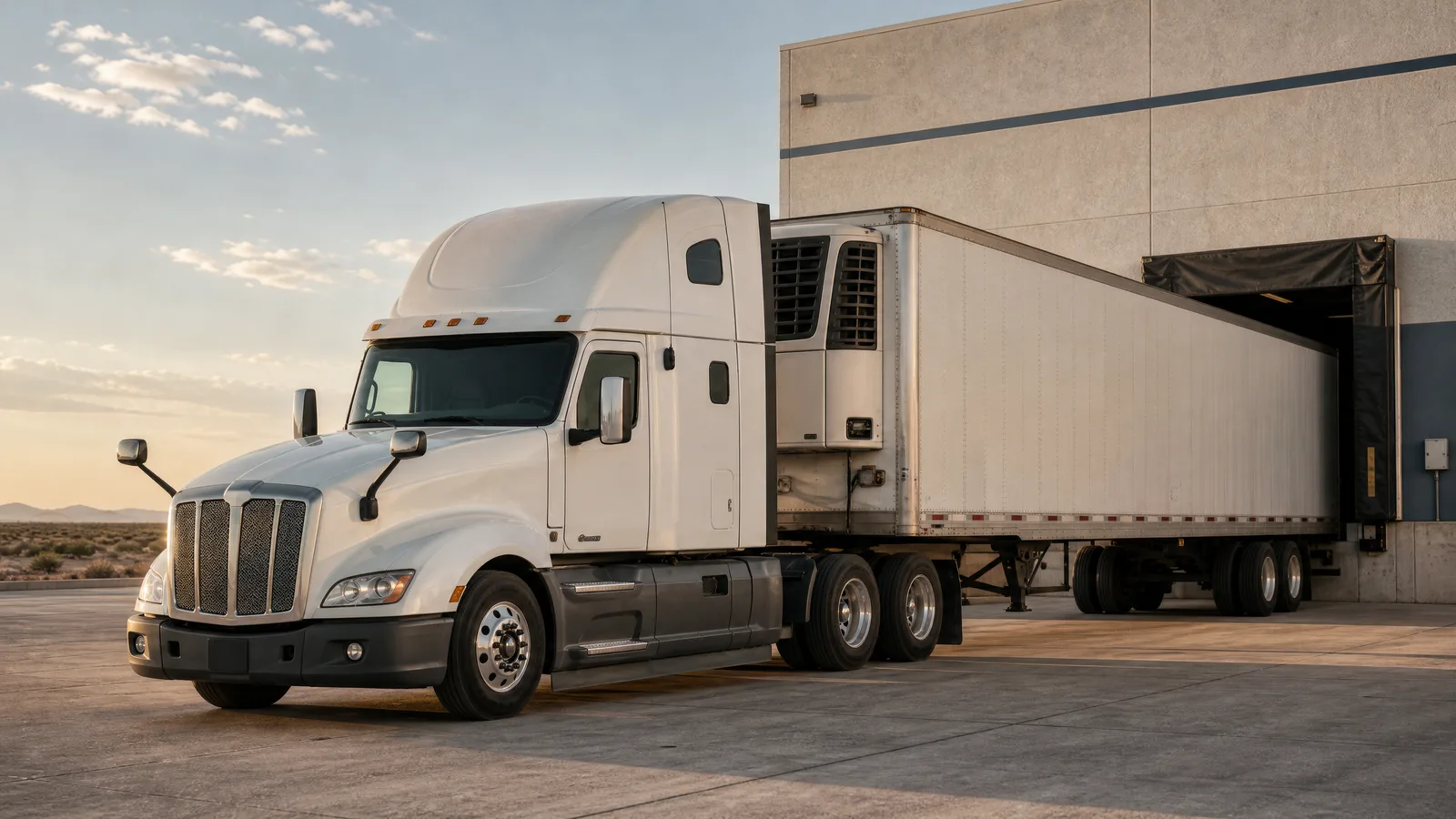
Reefer Truck Insurance: What You Need
Reefer (refrigerated) trucking has unique cargo risks that standard dry van policies do not address. The cargo is often higher value than general freight, the consequences of temperature excursions can include total loss of the load, and mechanical failure of the refrigeration unit can produce spoilage claims even when the truck never has an accident. Standard cargo insurance typically excludes reefer breakdown losses, so operators need specific endorsements or specialty policies that pick up these gaps.
Reefer insurance is the same product set as semi truck insurance, with several reefer-specific additions: reefer breakdown coverage, spoilage liability, and often higher cargo limits than dry van operators carry.
Coverage Types for Reefer Operators
- Commercial auto liability. FMCSA $750,000 minimum for general freight (49 CFR 387.9). Most operators carry $1 million.
- Cargo insurance. Higher limits than dry van. $250,000 is common for refrigerated freight; $500,000+ for high-value commodities like pharmaceuticals or fresh seafood.
- Reefer breakdown endorsement. Covers spoilage from mechanical failure of the refrigeration unit. Critical for any reefer operator. Standard cargo policies typically exclude this.
- Spoilage liability. Broader than reefer breakdown; can cover spoilage from delays, contamination, or other non-collision causes.
- Physical damage on tractor and trailer. Reefer trailers are more expensive than dry vans because of the refrigeration unit. Physical damage coverage matters.
- Refrigeration unit coverage. Specifically covers the reefer unit itself, separate from general physical damage on the trailer. Some policies bundle; others separate.
- General liability. Standard for non-driving business risks.
- Trailer interchange. Common for reefer operators who pull trailers from other carriers.
- Workers compensation or occupational accident. Standard.
Reefer Breakdown: How the Coverage Works
Standard motor truck cargo policies typically exclude losses caused by:
- Mechanical breakdown of the refrigeration unit
- Failure to maintain the refrigeration unit
- Improper temperature setting
- Inherent vice (natural deterioration of the cargo)
The reefer breakdown endorsement adds coverage for losses caused by mechanical failure of the refrigeration unit, subject to specific conditions:
- Documented maintenance. Most endorsements require regular maintenance per manufacturer specifications. Skipping maintenance can void the coverage.
- Continuous temperature logging. Modern reefers have built-in telematics that log temperatures continuously. Some policies require these logs as a condition of coverage.
- Pre-trip inspection. Drivers must verify reefer function before loading.
- Specific deductibles. Reefer breakdown often has higher deductibles than other cargo claims.
- Sub-limits. Some policies cap reefer breakdown coverage at a sub-limit lower than the overall cargo limit.
Read the specific endorsement language carefully before binding. The conditions can affect whether a real-world claim is actually covered.
How Much Does Reefer Truck Insurance Cost?
Reefer runs higher than dry van because of larger cargo limits, the breakdown endorsement, and higher commodity values. Ordered from lowest to highest typical premium, holding driver record, operating radius, and coverage limits constant:
- Small reefer fleet (3 to 10 trucks)
- Single owner-operator, general refrigerated freight
- Single owner-operator, fresh produce
- Single owner-operator, pharmaceutical or high-value perishable
- Reefer breakdown endorsement (added to standard cargo): a separate line item on top of the base cargo premium, scaled to the coverage limit you pick
Reefer Insurance in Texas
Texas has a large reefer market driven by:
- Mexican produce imports through Laredo and El Paso. Significant produce, fruit, and fresh meat freight enters the US through Texas border crossings.
- Distribution centers in DFW, Houston, and San Antonio. Major retailers and food service distributors operate refrigerated DCs across Texas.
- Pharmaceutical distribution. Texas has growing pharmaceutical distribution operations. Pharma reefer freight is high-value with strict temperature requirements.
- Texas summer heat. High ambient temperatures stress reefer units harder than northern climates. Maintenance schedules and unit inspections matter.
- Long-haul reefer corridors. Texas-to-Northeast and Texas-to-California reefer routes are heavy traffic lanes for produce and food freight.
For broader Texas market context, see our Texas commercial trucking insurance overview.
How to Get Reefer Truck Insurance Quotes
Information you will need:
- Tractor and reefer trailer year, make, model, VIN, and value
- Reefer unit make, model, age, and maintenance history
- Telematics and temperature logging capability
- Cargo types you haul (be specific: produce, frozen, pharma, dairy)
- Operating radius and lanes
- USDOT and MC number
- Driver CDL info and MVRs
- Loss history, especially reefer-related claims
Find an agent who specializes in reefer truck insurance. Tell them what you haul, what your shipper requirements are, and what reefer breakdown and spoilage coverage you need.